Home // News // The tooth I used to monitor
// News

The tooth I used to monitor

4th September 2026 // by Amber Aplin

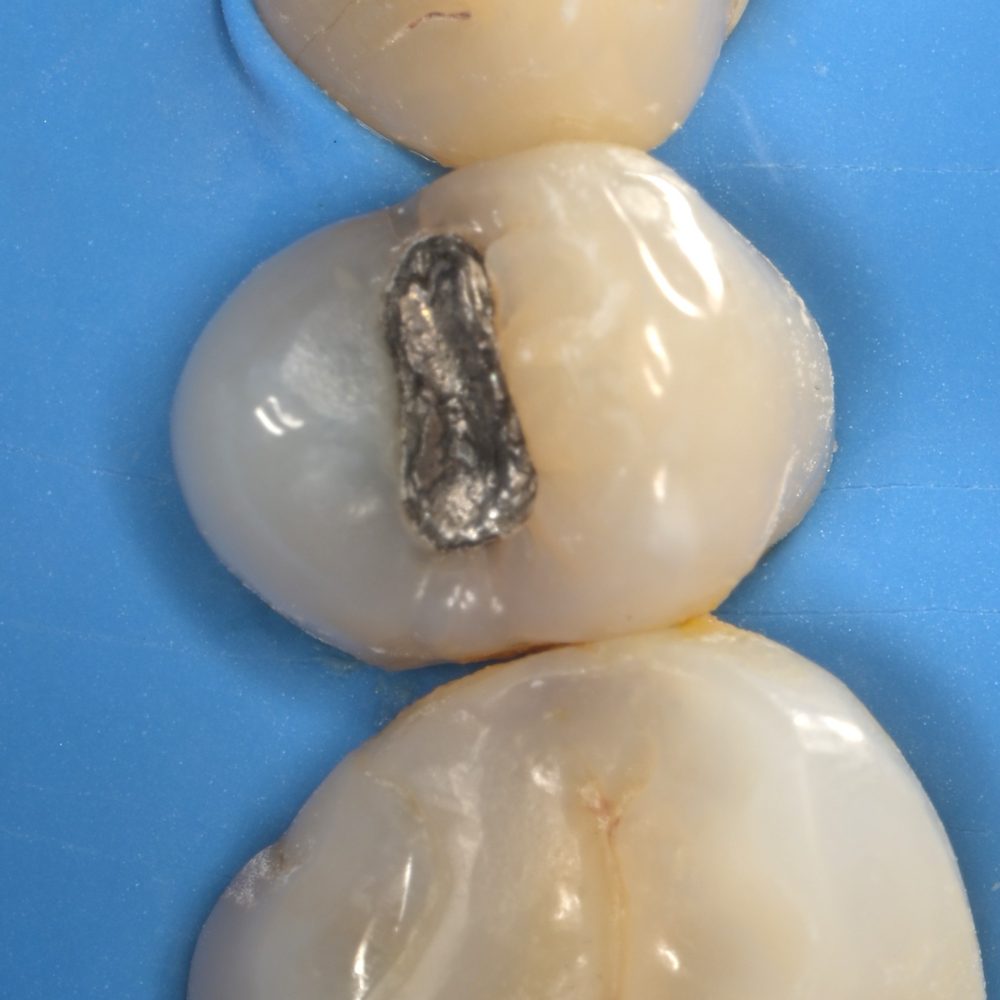
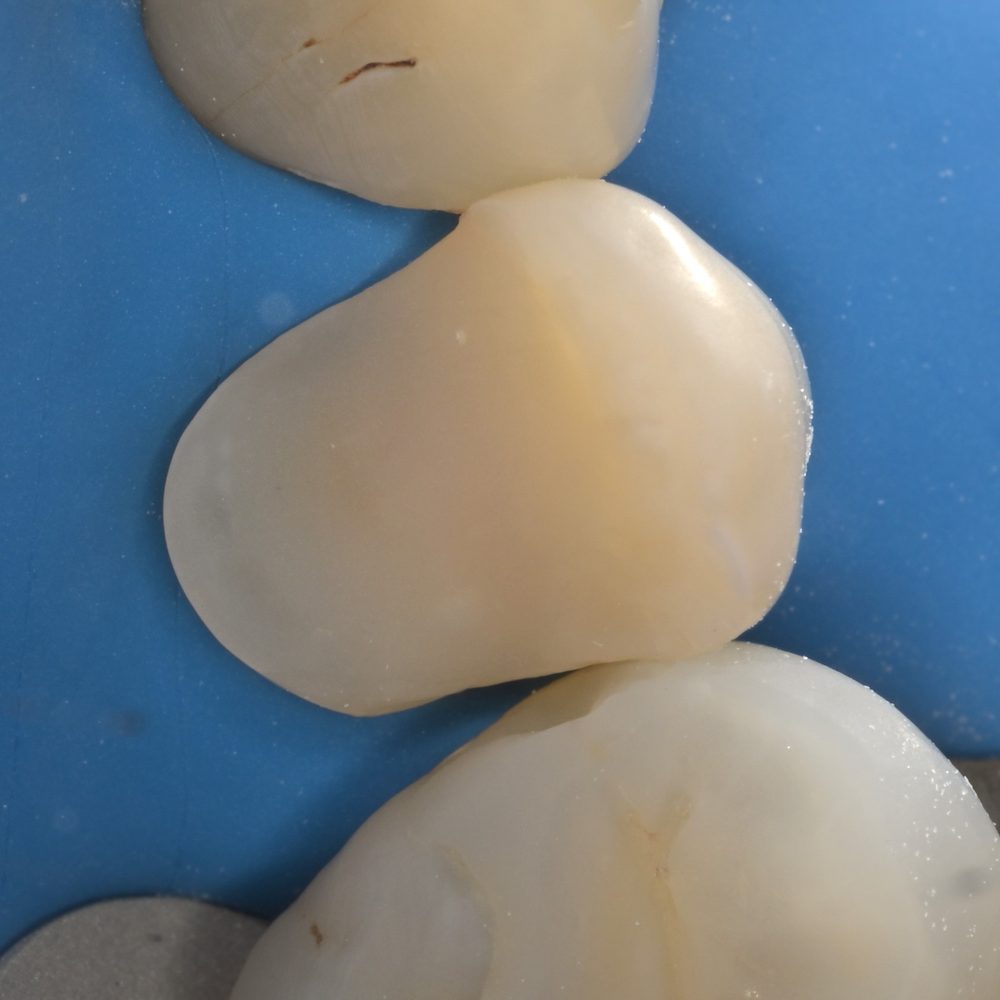
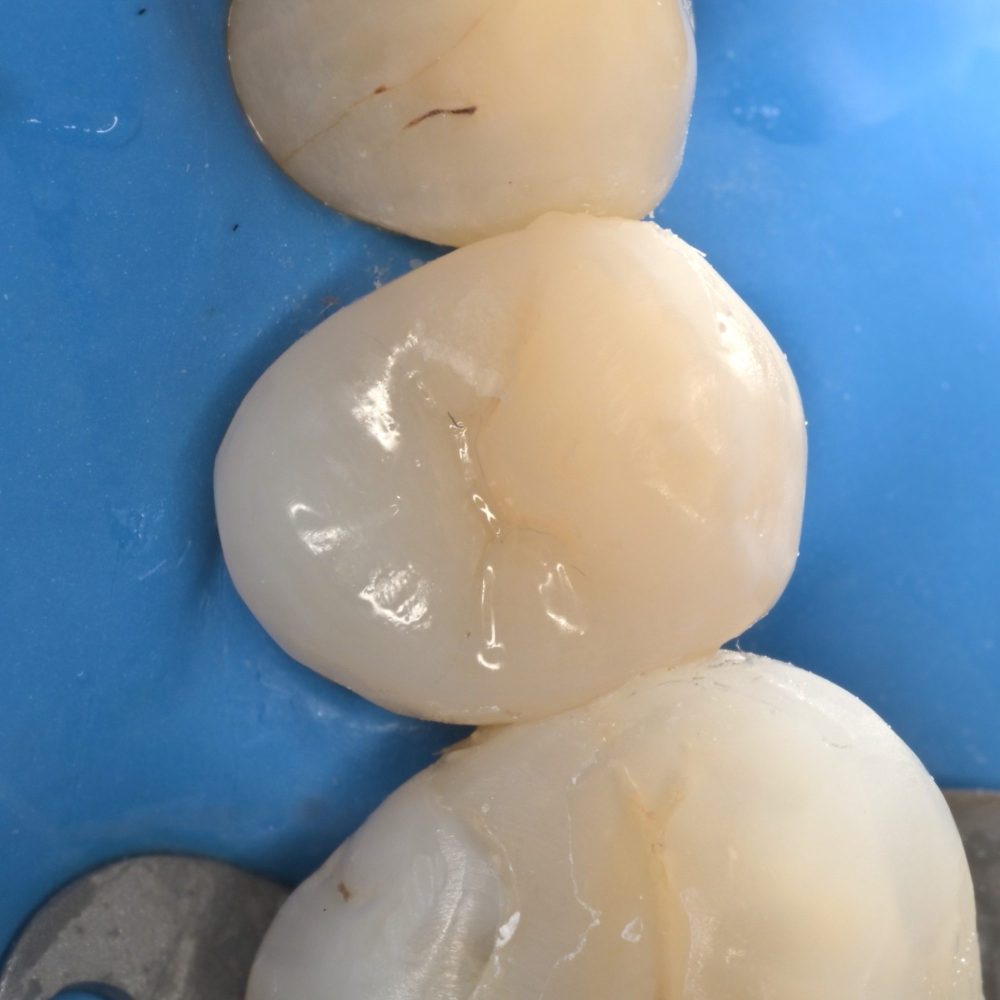
This is the kind of tooth I was leaving every single day.


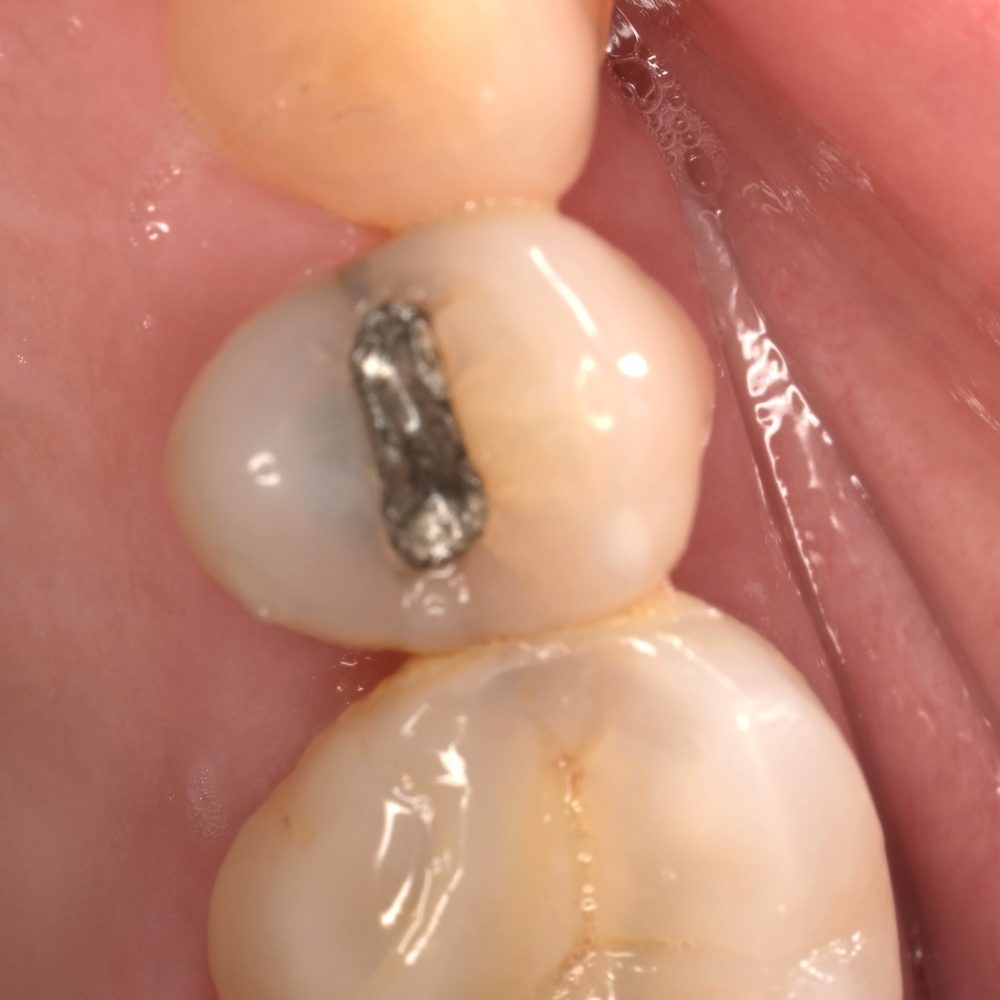
A narrow occlusal amalgam. No symptoms. No signs on the radiograph. The patient had no idea anything was wrong with it, and why would they?


The crack is obvious, but I wouldn’t have been aware of its significance coupled with a heavy bite. That was my thinking for years: I could see it, I did not know what it meant, so I routinely filed it under keep under observation and may or may not have informed the patient depending on how much time there was.


Then you apply the four red flags, and it stops being a judgement call.
What the assessment actually showed

Two red flags. The restoration isthmus met the 2 mm threshold, and there was an existing peripheral rim fracture mesially.


On top of that, a heavy occlusal load.


That combination puts the tooth in the high-risk band. If you had asked me to eyeball this tooth five years ago, I would have said it was fine, and that patient would have returned with either a broken cusp or, worse, pain on biting.

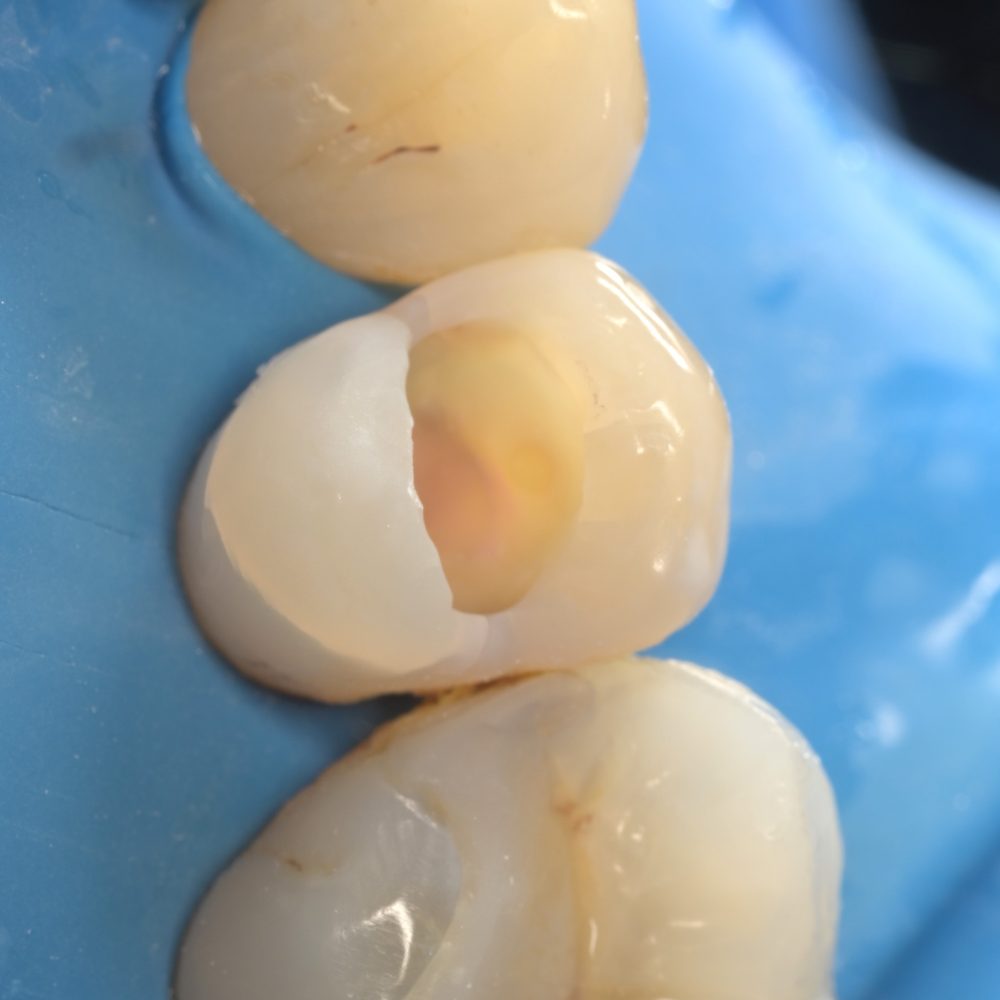
What was actually in there
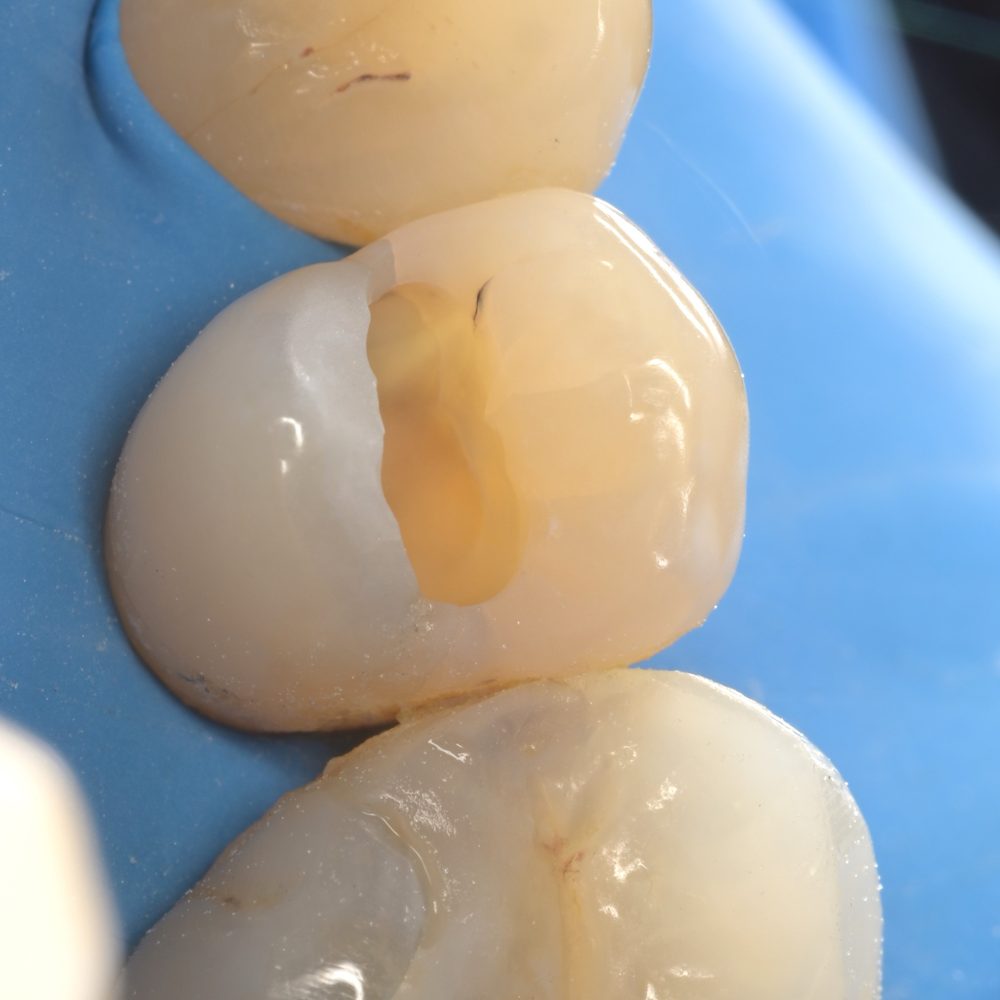
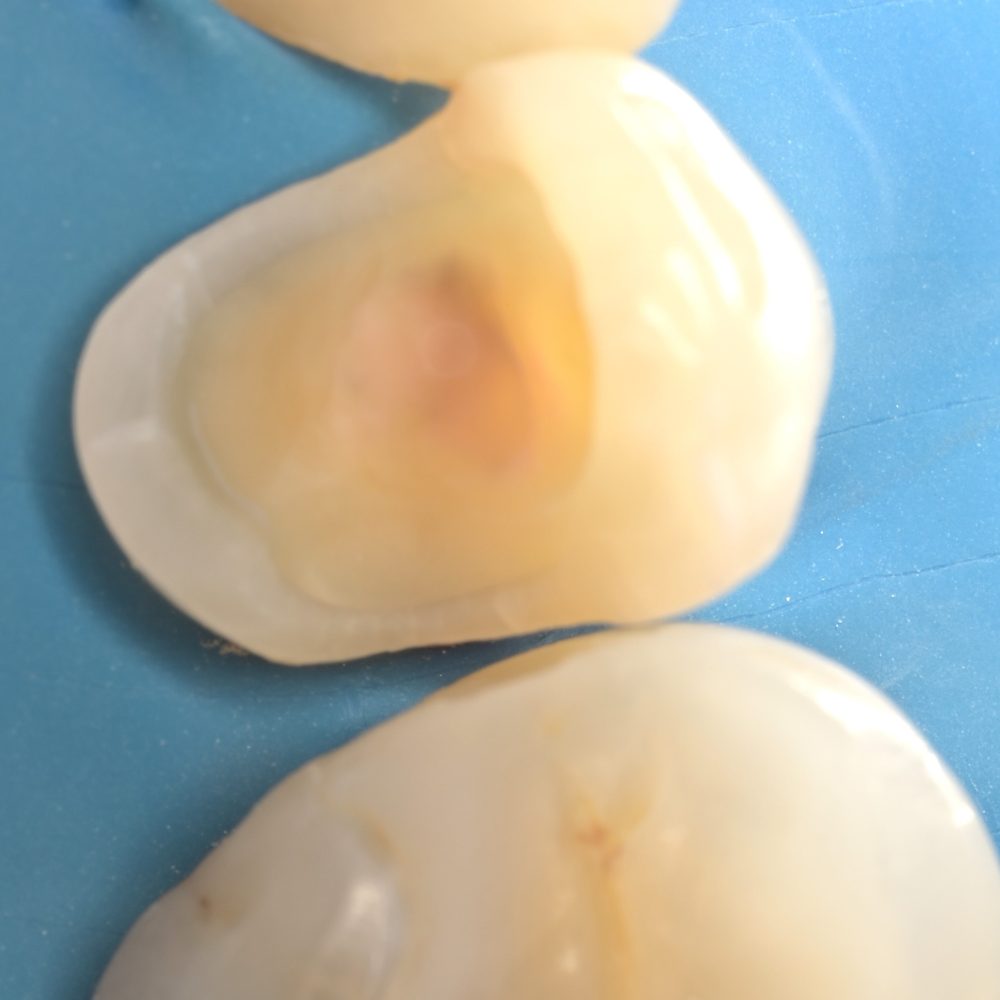
Horizontal oblique fractures associated with the palatal cusp, and an early one beginning underneath the buccal cusp too. The palatal cusp was completely undermined so this cusp needed to be removed. We were able to preserve enough width buccally to keep it. That is the whole philosophy with these teeth: you remove the pathology, and preserve everything you possibly can.

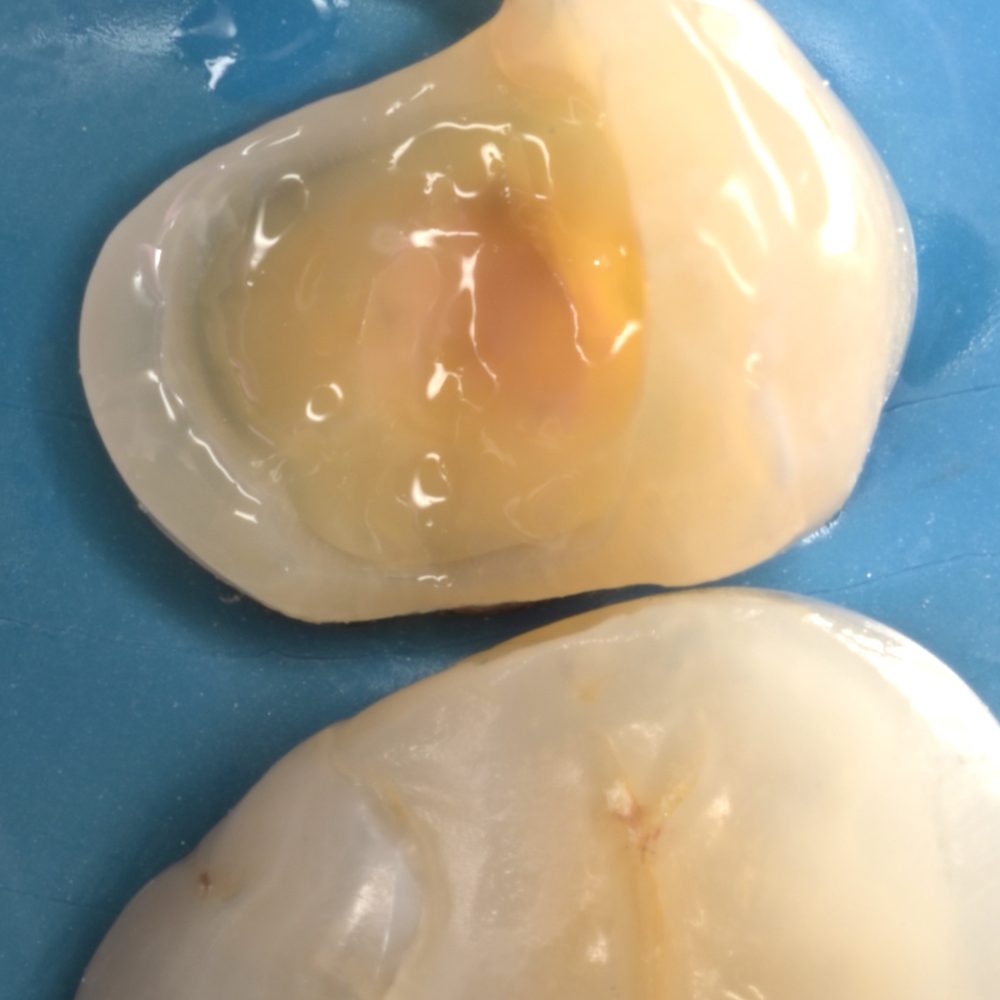
Building the base

Immediate dentine sealing, resin coat, Ribbond, and the biobase completed.
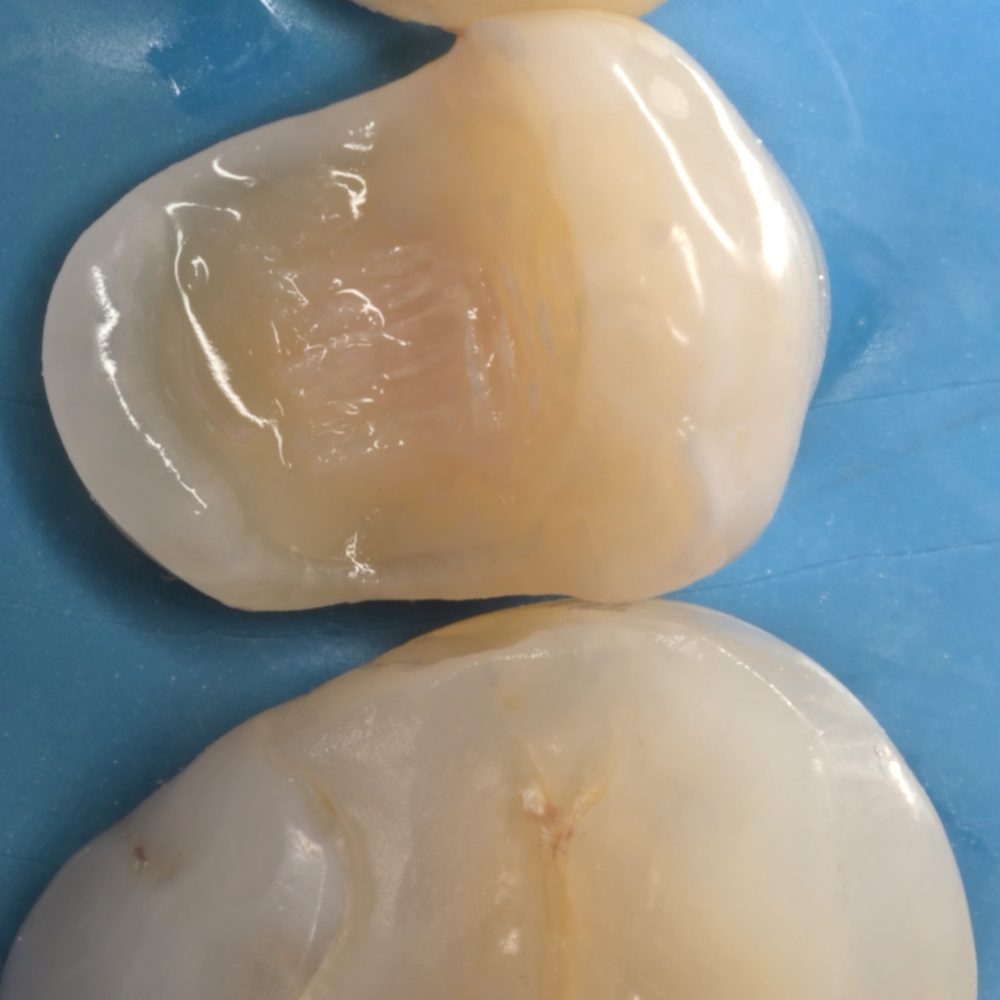
Then a scan, and the indirect composite onlay fitted two weeks later.

Why this one is worth writing up

Two measurements and an occlusal assessment identified a high-risk tooth and an indirect restoration recommendation. Everything I found once the filling was removed confirmed this was the right approach.


This is why I now assess every one of these teeth against the same four criteria, rather than deciding how I feel about the tooth on the day.


The four red flags framework and the full assessment chart are here: The four red flags

And if you have a tooth like this one that you are not sure about, send it to me on WhatsApp. Photographs and a radiograph to 07898 738646. No charge and no obligation.

Any questions? Get in touch! Thanks, Amber
Amber Aplin

About Amber

Dr Amber Aplin is a dentist, educator, and founder of The Gentle Touch in Kelso, Scotland. She teaches biomimetic dentistry and therapist-led care to practices across the UK.

Read Amber's full story

You may also like

Stay close to the conversation

Amber writes The Bulletin, a fortnightly update on biomimetic dentistry, therapist-led care and practice transformation. Subscribe and receive a free download: Amber's framework for working through a whole mouth of restored teeth. Which to treat, in what order, and what to recommend for each.

Please select all the ways you would like to hear from Amber Aplin Dental:

You can unsubscribe at any time by clicking the link in the footer of our emails. For information about our privacy practices, please visit our website.

We use Mailchimp as our marketing platform. By clicking below to subscribe, you acknowledge that your information will be transferred to Mailchimp for processing. Learn more about Mailchimp's privacy practices.

This website uses cookies
This site uses cookies to enhance your browsing experience. We use necessary cookies to make sure that our website works. We’d also like to set analytics cookies that help us make improvements by measuring how you use the site. By clicking “Allow All”, you agree to the storing of cookies on your device to enhance site navigation, analyse site usage, and assist in our marketing efforts.
These cookies are required for basic functionalities such as accessing secure areas of the website, remembering previous actions and facilitating the proper display of the website. Necessary cookies are often exempt from requiring user consent as they do not collect personal data and are crucial for the website to perform its core functions.
A “preferences” cookie is used to remember user preferences and settings on a website. These cookies enhance the user experience by allowing the website to remember choices such as language preferences, font size, layout customization, and other similar settings. Preference cookies are not strictly necessary for the basic functioning of the website but contribute to a more personalised and convenient browsing experience for users.
A “statistics” cookie typically refers to cookies that are used to collect anonymous data about how visitors interact with a website. These cookies help website owners understand how users navigate their site, which pages are most frequently visited, how long users spend on each page, and similar metrics. The data collected by statistics cookies is aggregated and anonymized, meaning it does not contain personally identifiable information (PII).
Marketing cookies are used to track user behaviour across websites, allowing advertisers to deliver targeted advertisements based on the user’s interests and preferences. These cookies collect data such as browsing history and interactions with ads to create user profiles. While essential for effective online advertising, obtaining user consent is crucial to comply with privacy regulations.